AI Based Design
AI Product Configurators: Mass Customization by Design in 2026
AI product configurators generate thousands of photoreal furniture variants on demand, linking design, pricing, and sales in one live pipeline.

Configurators Grow Up: From Static Catalogs to Live Design Engines
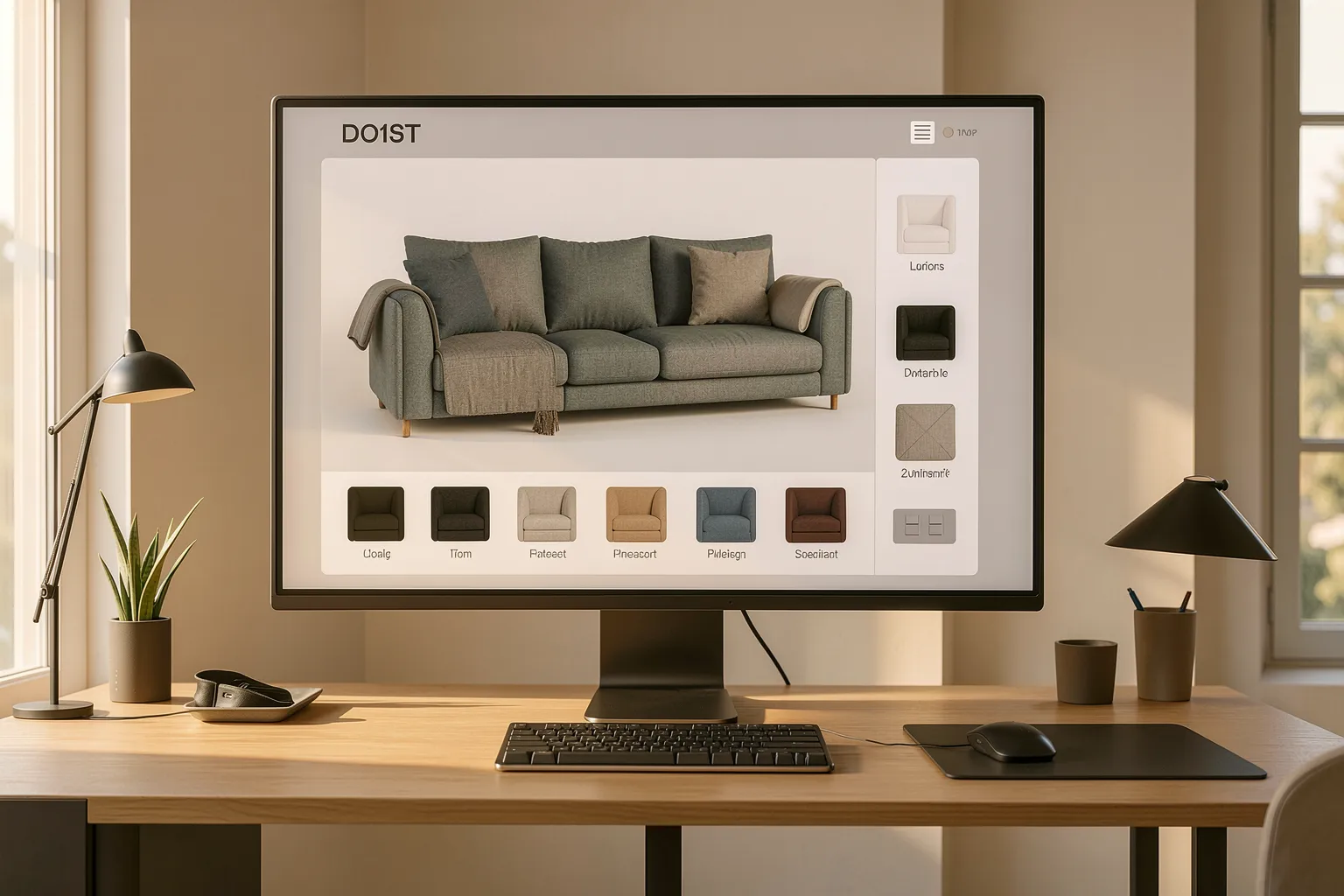
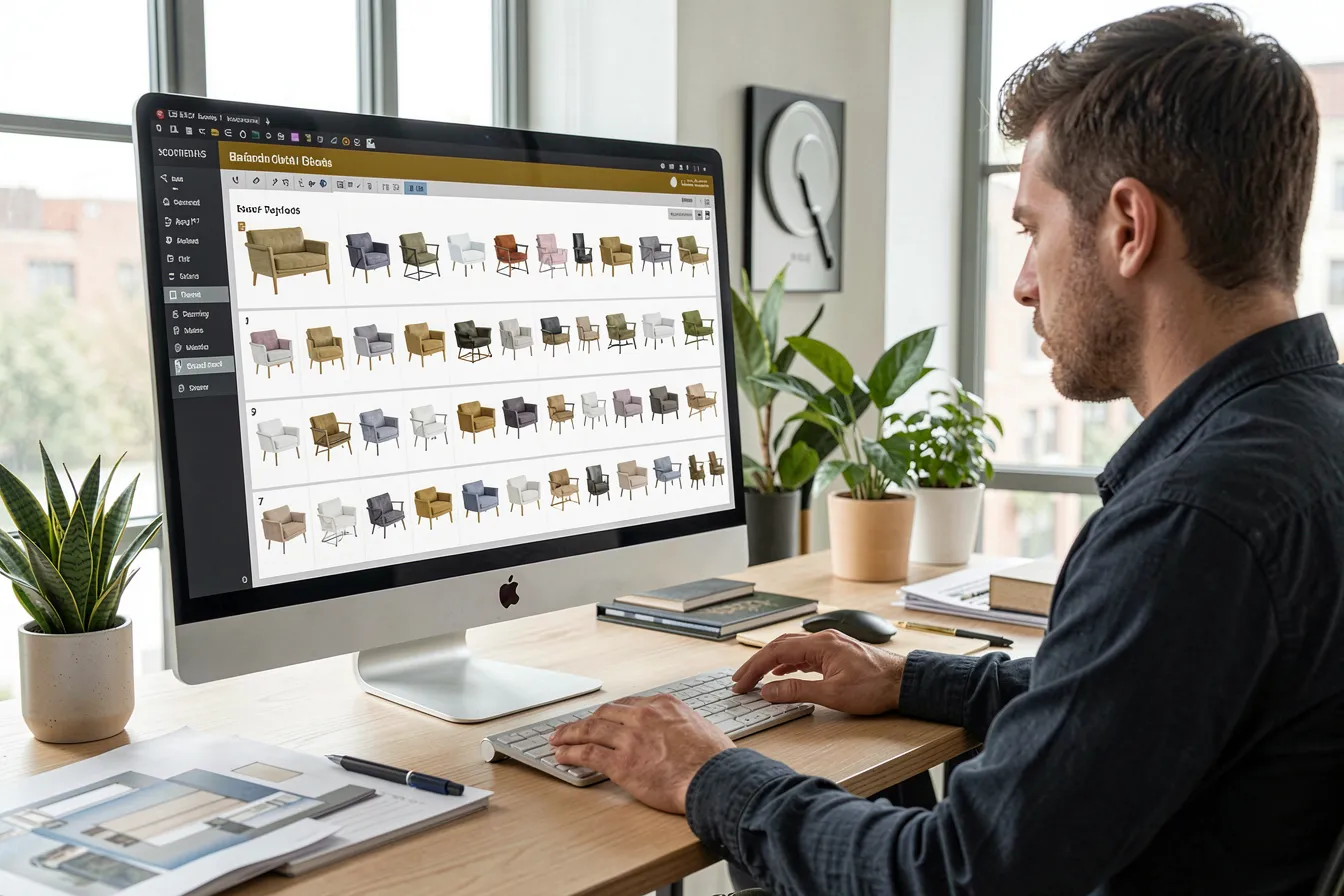
For decades, furniture makers sold from fixed catalogs. A buyer picked a model, chose two or three fabrics, and waited for a mockup. AI product configurators break that pattern. They turn a single design into thousands of variants and render each one on demand.
The shift matters because customers now expect to see exactly what they buy. A configurator answers that expectation instantly. It swaps materials, adjusts dimensions, and repaints finishes while the shopper watches. The design no longer sits still; it responds.
This changes how studios think about a product. Designers stop drawing one hero image. Instead, they define the rules that let AI assemble every legitimate version. The catalog becomes a generator, not a gallery.
How AI Turns One Model Into Thousands of Variants
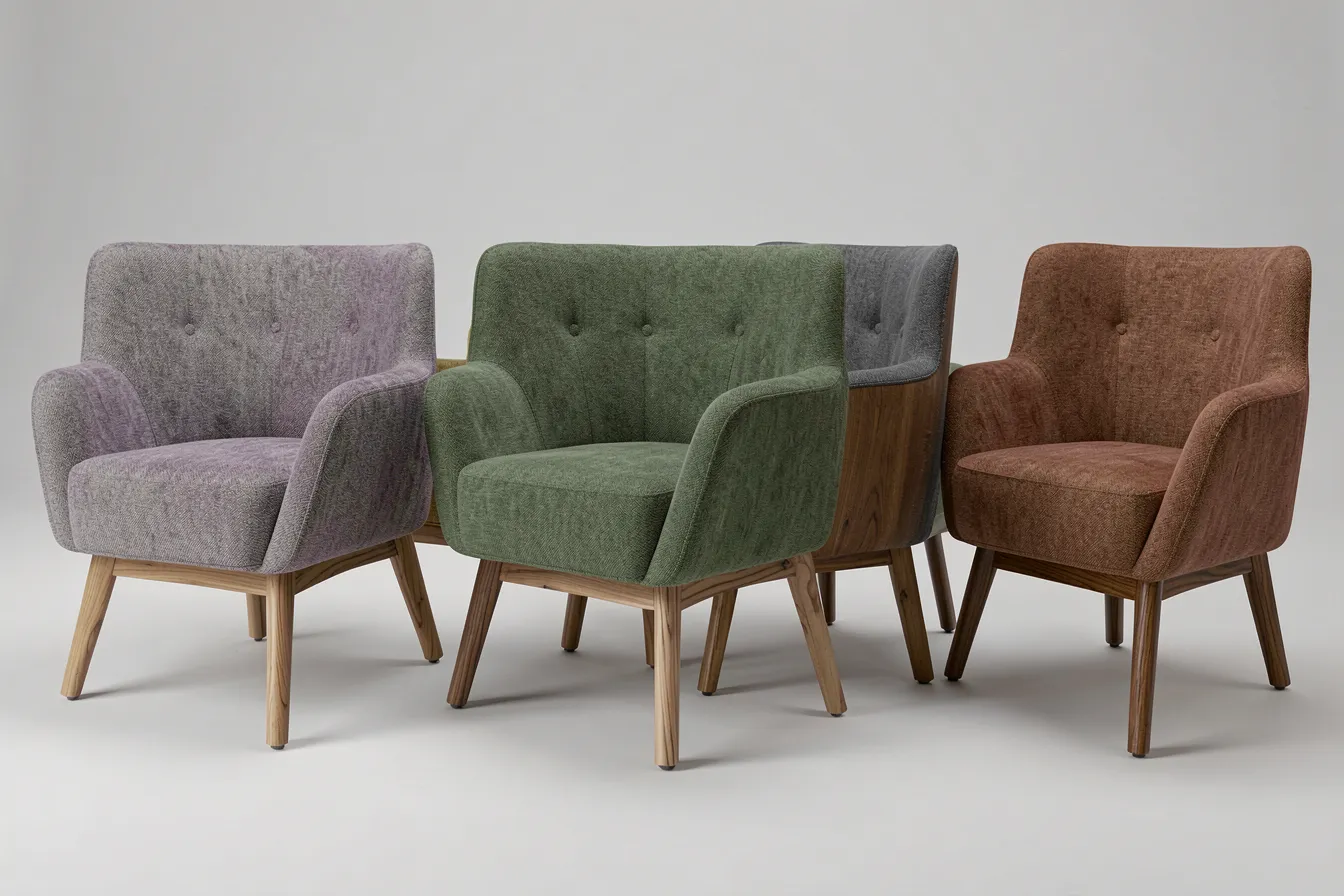
A modern configurator starts with a parametric master model. The designer marks which parts flex: seat width, leg style, cushion depth, arm height. Each choice carries constraints, so the AI never builds a chair that cannot stand.
Generative image models then render each combination in a consistent style. They light the scene, place the product, and match the studio’s visual language across every frame. One base model can yield photoreal images for the entire option matrix without a photographer.
Pricing rules ride alongside the geometry. When a shopper picks solid oak over veneer, the AI recalculates cost, weight, and lead time in the same step. The visual and the quote update together, so the buyer always sees an honest picture.
Why Manufacturers and Studios Adopt Configurators Now
Speed drives the first wave of adoption. A configurator collapses weeks of sampling into seconds of rendering. Sales teams show real options during a single call, and clients approve faster because they see their exact choice.
Cost savings follow close behind. Studios shoot fewer physical prototypes and stage fewer photo sessions. They spend that budget on design quality instead of on reshooting the same sofa in nine fabrics.
Data forms the quieter advantage. Every configuration a shopper builds reveals what people actually want. Manufacturers read those signals, retire dead options, and plan production around demand they can measure rather than guess.
Where Configurators Still Stumble
Material accuracy remains the hardest problem. A screen rarely captures how linen catches light or how walnut grain runs across a panel. Buyers notice when the delivered piece looks flatter than the render promised.
Constraint modeling also demands real effort. Someone must encode every rule that keeps a variant buildable and safe. Skip that work, and the AI happily offers combinations the factory cannot produce.
Teams that succeed treat the configurator as a living system. They calibrate materials against real samples, tighten rules after each production run, and audit renders for honesty. The tool rewards discipline, not shortcuts.
Practical Steps to Launch a Configurator
Start narrow. Pick one product family with clear, popular options rather than your entire range. A focused pilot proves the workflow and exposes gaps before they scale into expensive mistakes.
Invest early in a clean parametric model and a tight material library. These assets carry the whole system, so sloppy inputs poison every downstream render. Good geometry and calibrated finishes pay back on every variant you ship.
Finally, connect the configurator to pricing and orders from day one. A beautiful render that cannot place an order wastes the buyer’s momentum. Link visuals, quotes, and checkout so the design leads straight to a sale.
Frequently Asked Questions
Do AI configurators replace industrial designers?
No. Designers still define the master model, the rules, and the aesthetic. The AI only executes those decisions across many variants. It multiplies a designer’s reach; it does not supply the taste or judgment behind the product.
How accurate are the rendered materials compared to real products?
Accuracy depends on calibration. Teams that scan real samples and tune their material library achieve convincing results. Teams that trust default textures often disappoint buyers. Treat every finish as a measurement, not a guess, and the gap shrinks fast.
What does a business need before building a configurator?
Start with a parametric model, a defined option set, and clear pricing logic. Add a calibrated material library and a link to your order system. With those pieces ready, a configurator delivers value within weeks rather than months.
AI product configurators mark a real shift in how studios design and sell. They reward teams that combine strong parametric models with honest, calibrated visuals. Build that foundation, and one design can serve thousands of customers, each seeing precisely the piece they intend to buy.
We build AI-driven design and visualization workflows for real products. Visit Pixintellect to explore the tools and turn one design into thousands of made-to-order variants.
Images: AI-Designed