AI Based Design
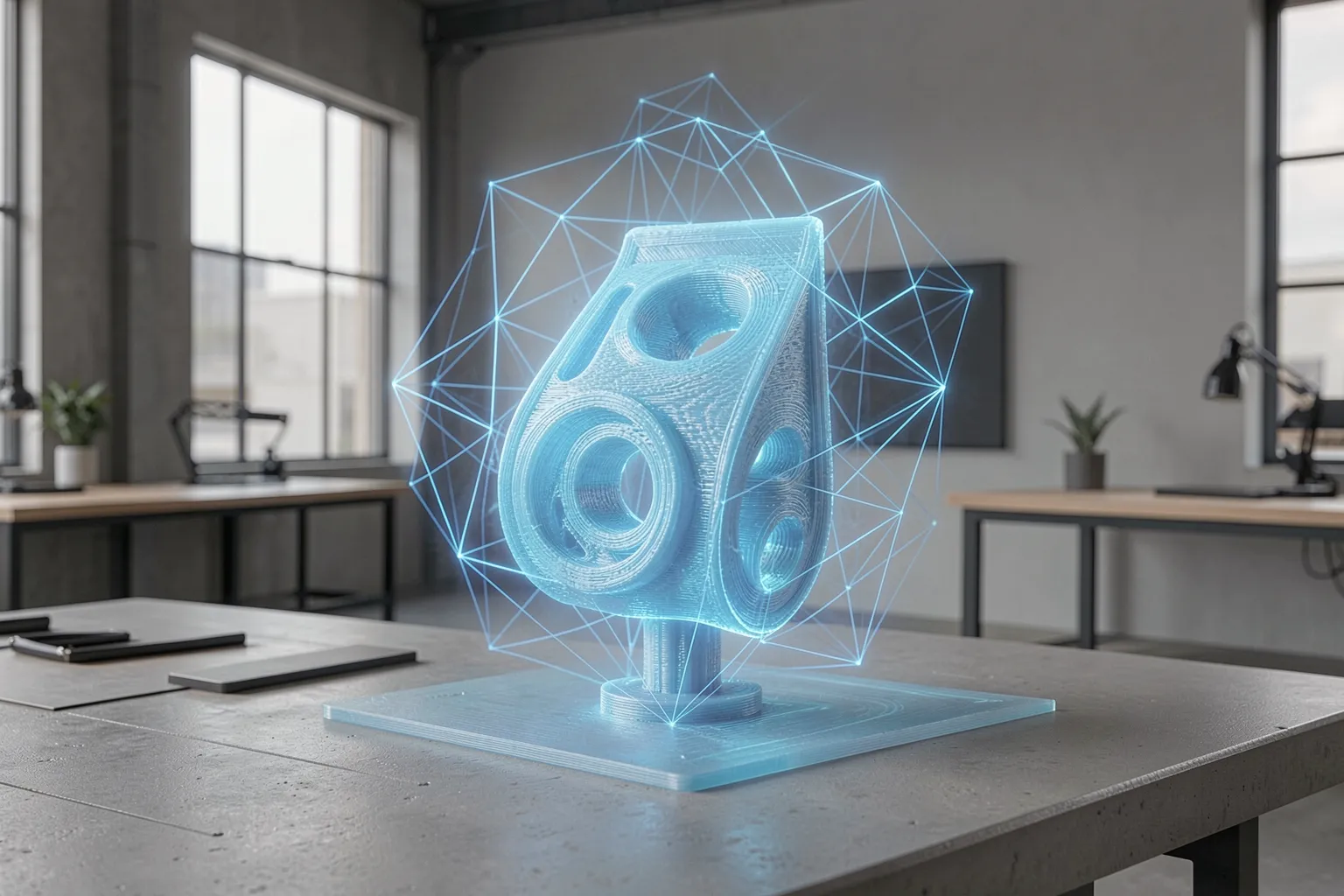
Text-to-3D AI: The New Frontier of Design Prototyping
How text-to-3D generative AI turns plain descriptions and single images into editable 3D geometry, reshaping product and spatial design in 2026.

The Prototyping Bottleneck Is Breaking Open
For as long as digital design has existed, there has been a stubborn gap between an idea and a three-dimensional model of that idea. A designer could sketch a concept in minutes, but turning it into usable geometry — something that could be rendered, tested, or sent to a printer — required hours of skilled work in specialist software. That barrier shaped who could participate in 3D design and how quickly concepts could move from imagination to evaluation.
Text-to-3D generative AI is dismantling that barrier. A new class of tools lets designers describe an object in plain language, or upload a single reference image, and receive editable 3D geometry in return. The shift echoes what text-to-image models did for 2D visualization two years ago, but the stakes are higher: a 3D asset is not merely a picture. It can be measured, structurally analysed, animated, and in many cases fabricated. When the output is real geometry rather than a flat render, the creative process changes fundamentally.
What Changed in 2026
The category matured quickly this year. In March 2026, Autodesk introduced Wonder 3D within its Flow Studio platform — a generative model built specifically to turn text and images into editable 3D assets, with the explicit goal of reducing technical complexity for both professionals and newcomers. Because the output is editable rather than a locked mesh, it fits into existing production pipelines across game development, film, marketing, and physical prototyping rather than sitting outside them.
Autodesk is not alone. Womp has launched a platform aimed at people with no traditional 3D modelling experience, letting them generate printable objects from simple text prompts. NVIDIA has demonstrated systems that convert ordinary 2D images into editable 3D models, opening a path from visual reference straight to usable geometry. Taken together, these releases signal that text-to-3D has moved from research demo to production tool within a single year.
Why Editable Geometry Matters More Than Speed
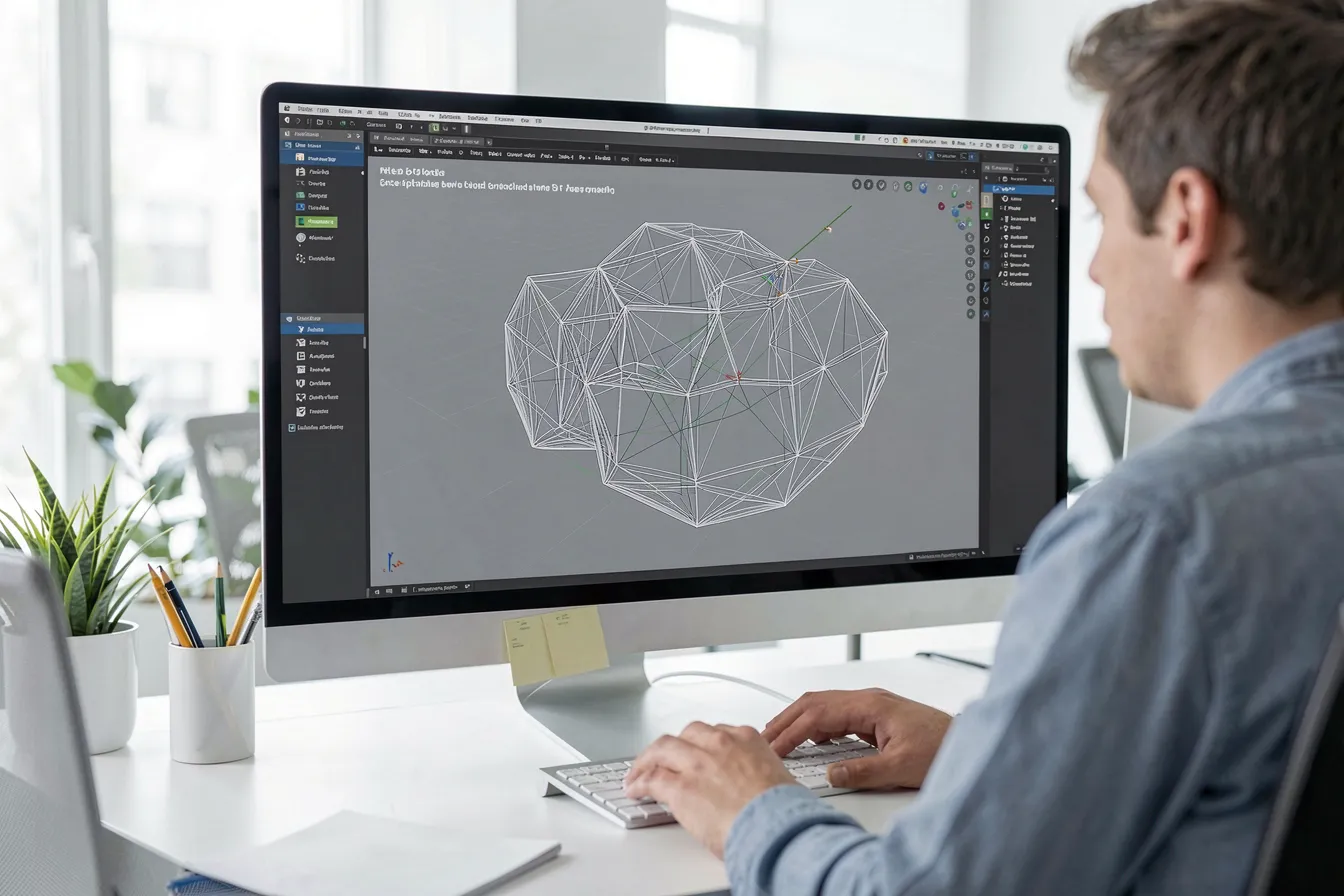
The headline benefit of these tools is speed, but the more consequential feature is editability. Early generative 3D systems produced dense, disorganised meshes that were impressive to look at and nearly impossible to work with — a designer could not cleanly adjust a proportion, swap a material, or export a manufacturable part. The 2026 generation is different because it aims to preserve structure: clean topology, separable components, and metadata that downstream tools can understand.
This matters because real design work is iterative. A first generation is never the final answer; it is a starting point that must be refined against constraints — dimensions, materials, cost, manufacturability. When the AI output is genuinely editable, the designer stays in control of that refinement loop. The tool accelerates the tedious first step of getting geometry onto the screen, then steps aside so human judgement can shape the result. That division of labour is what separates a useful production tool from a novelty.
Applications Across Product and Spatial Design
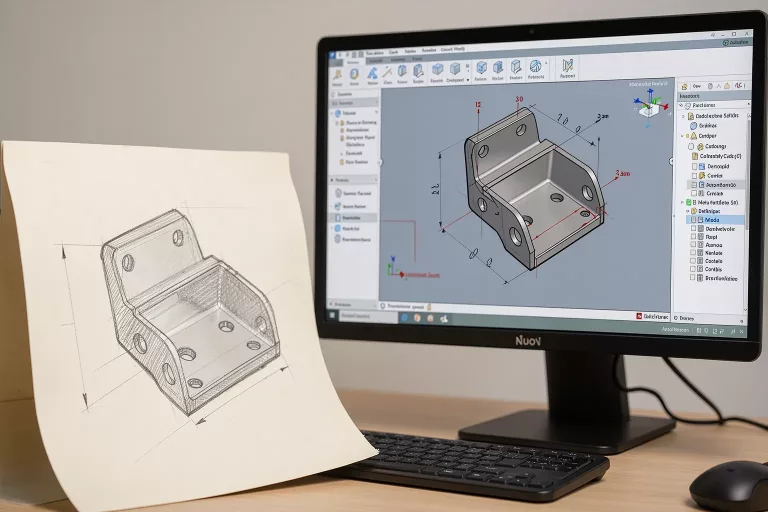
For product designers, text-to-3D compresses the concept phase dramatically. Instead of committing hours to modelling a single idea, a designer can generate a dozen variations of a form in an afternoon, evaluate them in context, and carry the strongest candidates forward into detailed CAD work. The economics of exploration change: when generating an alternative is nearly free, teams explore more widely and settle on better answers.
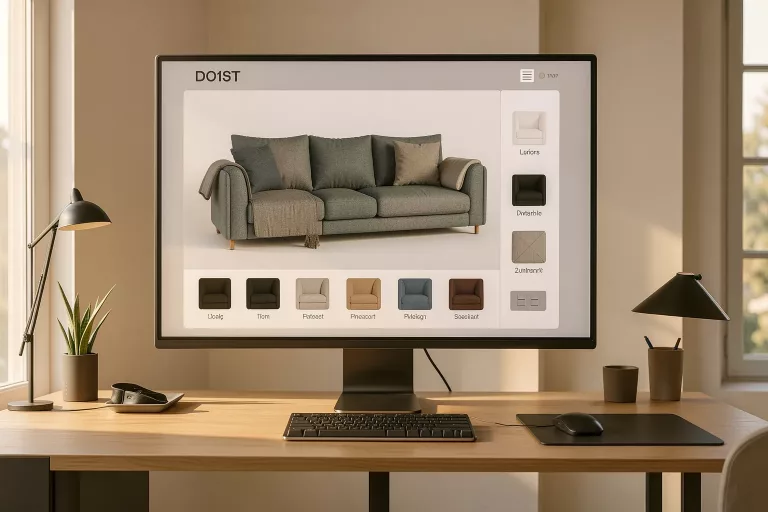
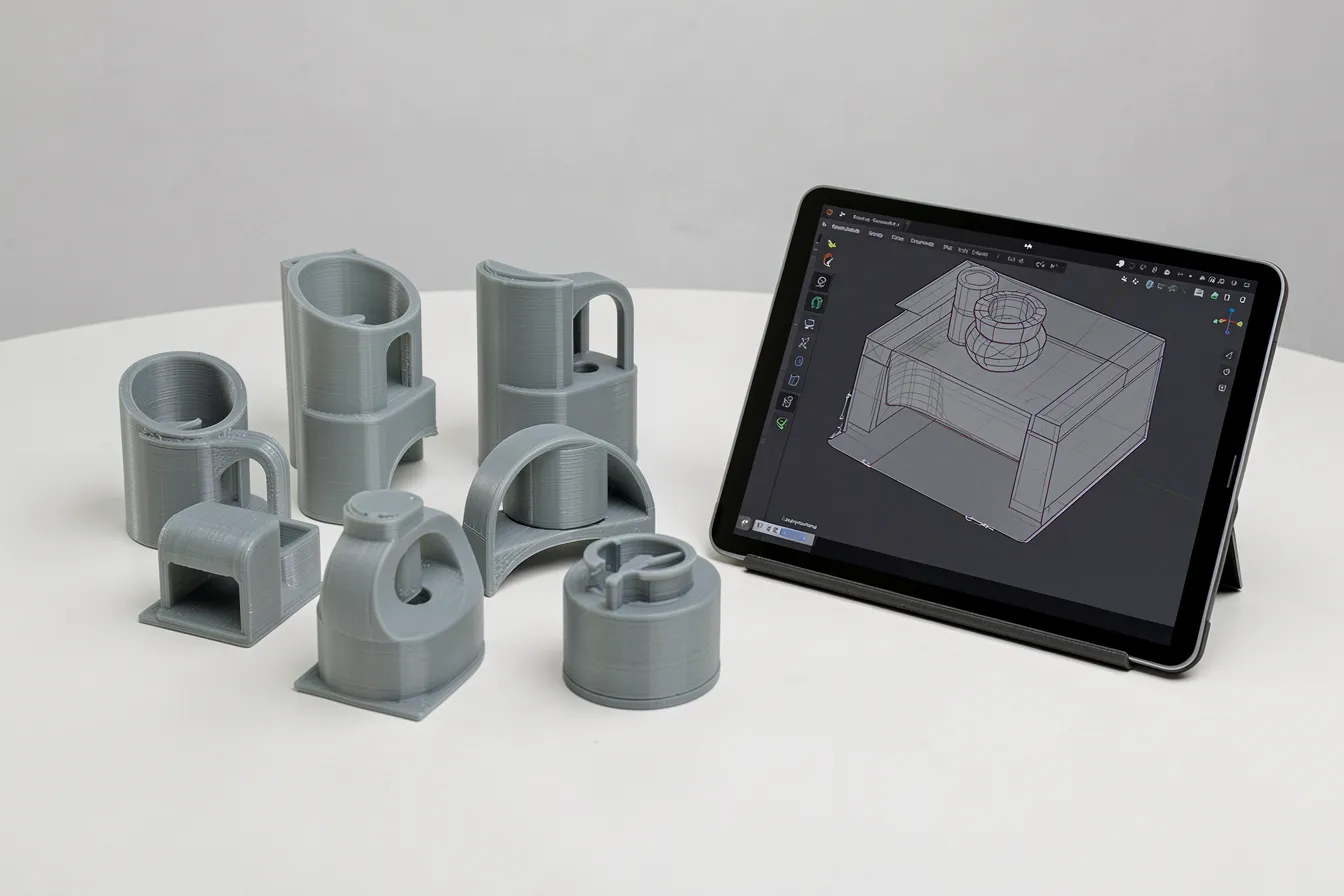
The same dynamic is reaching interior and architectural work. Furniture, fixtures, and decorative elements can be generated as 3D assets and dropped directly into a scene for visualization, letting designers populate a space with bespoke objects rather than relying on generic asset libraries. For rapid prototyping teams, the path from a text description to a printable file is shortening to a point where physical iteration — printing, holding, and revising a real object — becomes a same-day activity rather than a multi-day one.
The Limits Worth Understanding
These tools are powerful, but they are not magic, and treating them as such leads to disappointment. Text-to-3D output still requires refinement, particularly for anything with functional or structural requirements. A generated chair may look convincing and still be unfabricable; a generated bracket may need a full engineering pass before it can bear load. The AI is excellent at proposing form and mediocre at guaranteeing function — a distinction that becomes critical the moment an object has to exist in the physical world.
There is also a workflow-integration question. The value of a generated asset depends entirely on whether it can enter your existing pipeline cleanly. An asset that must be manually rebuilt before it is usable has saved no time at all. The teams getting the most from these tools in 2026 are those who treat generation as one stage in a structured process — clear about what the AI does well, disciplined about the human review that follows, and deliberate about the file formats and standards that keep the output usable downstream.
Questions and Answers About Text-to-3D AI
Can text-to-3D output be sent straight to a 3D printer?
Sometimes, but not reliably for anything that matters. Consumer-focused platforms increasingly generate printable files directly from text prompts, and for decorative or simple objects the result may print with little intervention. For anything with functional requirements — parts that must fit together, bear load, or meet tolerances — the raw output should be treated as a draft. It typically needs to pass through CAD software for dimensional correction, wall-thickness checks, and structural review before it is committed to a print. The safe assumption is that the AI gets you to a strong starting geometry far faster, not that it delivers a finished, verified part.
Do these tools replace traditional 3D modelling skills?
No — they shift where those skills are applied. The tedious early work of blocking out basic geometry is increasingly automated, but the skills that define good design work remain essential: understanding proportion, materials, manufacturability, and how a form serves its purpose. In practice, experienced designers get far more out of these tools than beginners, because they know how to critique and correct the output. The technology lowers the barrier to entry for producing a first model, but it raises the value of the judgement needed to turn that first model into something good.
How does image-to-3D differ from text-to-3D, and when should I use each?
Text-to-3D generates geometry from a written description and is best when you are exploring an idea that does not yet exist visually — you want to see many interpretations of a concept quickly. Image-to-3D, by contrast, reconstructs geometry from one or more reference pictures and is the better choice when you already have a specific visual target: a product photo, a concept sketch, or a real object you want to digitise. Many 2026 platforms, including Autodesk’s Wonder 3D, offer both modes, and experienced users move between them — starting from text to explore, then switching to image-based input once they have a reference that captures the direction they want.
Where This Goes Next
The trajectory is clear even if the timeline is not. As output topology improves and integration with mainstream CAD and BIM tools deepens, text-to-3D will become a standard early-stage tool rather than a novelty — the way text-to-image quietly became part of the visualization workflow. The competitive advantage will not lie in having access to the tools, which will soon be universal, but in building the disciplined processes that turn fast generation into reliably good outcomes.
For designers and studios, the practical move today is to experiment deliberately: pick a real project, use a text-to-3D tool for the concept phase, and pay close attention to where it saves time and where it creates rework. That hands-on understanding — of exactly what the technology does well and where human expertise remains indispensable — is what will separate the teams that benefit from those that are merely impressed.
At Pixintel, we build tools and intelligence for designers and architects working at the intersection of AI and design. Explore our platform to see how generative technology can move your next project from concept to reality faster.